Exploring Rahba: Dubai's Historical and Cultural Treasure
Intro
In the heart of Dubai, where modernity collides with tradition, lies Rahba—a cultural haven that bears witness to the city’s unfolding narrative. This vibrant area encapsulates layers of history, a rich tapestry woven with stories of the past, and an array of architectural marvels that reflect both traditional Emirati and modern influences. Understanding Rahba provides valuable insights into Dubai’s evolution, making it an essential subject for cultural enthusiasts, investors, and anyone eager to grasp the essence of this bustling metropolis.
At its core, Rahba serves as a microcosm of Dubai’s historical significance, where the past coexists with the present. The term itself, deriving from the Arabic word for open space, not only signifies the physical layout but also embodies the spirit of community and connection. In Rahba, one can survey the interplay between ages, a living history that informs both old and new generations about their shared heritage.
As urban development continues to surge forward, Rahba stands at a crossroads. The relentless wave of modernity presents opportunities but also challenges. For investors and community leaders, preserving the essence of Rahba while embracing change is a delicate balancing act. This exploration will delve deep into the significance, architectural beauty, and preservation efforts surrounding this precious gem of Dubai.
Let us embark on a journey through Rahba, uncovering its historical roots, cultural importance, and the impact of contemporary growth on its landscape.
Intro to Rahba
Rahba, nestled in the heart of Dubai, is more than just a quaint neighborhood; it’s a living testament to the rich tapestry of the city’s historical and cultural legacy. Understanding Rahba is essential for anyone looking to grasp the broader narrative of Dubai’s evolution from a modest fishing village to a bustling metropolis. Its significance is layered and multifaceted, making it a captivating subject for both residents and visitors alike. This section uncovers the nuances that make Rahba a vital part of Dubai's identity, including its historical roots and cultural echoes.
Defining Rahba
So, what exactly is Rahba? Traditionally, the term refers to a type of dwelling or community space that serves as a gathering point, often associated with communal activity. In the context of Dubai, Rahba is a specific locality that encapsulates the essence of Emirati culture. It showcases how traditional lifestyles integrate with contemporary influences, reflecting the rapid urban expansion Dubai has undergone.
The vibrancy of Rahba lies in its streets, bustling markets, and the warmth of its people. It stands as a microcosm of Dubai, representing a bridge between the past and present. Within its borders, one can find traditional souks, heritage sites, and evidence of the cooperative spirit that has characterized Emirati life for generations.
Historical Context
To appreciate Rahba fully, one must look into its historical backdrop. Established during the early days of Dubai’s trade and maritime economy, Rahba was a thriving hub where merchants, fishermen, and local artisans converged. Historical records indicate that the area has long been central to the social and economic life of the city, a melting pot of cultures and ideas that played a pivotal role in shaping the region's identity.
The historical context of Rahba is interwoven with tales of resilience and adaptability. As Dubai transformed through various epochs, from the discovery of oil to the explosive growth of tourism, Rahba has showcased its ability to evolve without losing its essence. It has absorbed external influences while maintaining a core identity—a balance that is increasingly rare in today’s globalized world.
"Rahba serves as a cultural echo, resonating with the histories of those who walked its pathways long before modernity swept through Dubai."
In summation, the story of Rahba is not just one of buildings and infrastructure; it is an exploration of human connections and community spirit. As we delve deeper into the etymology and cultural heritage of Rahba, it becomes clear that this locality is a vital thread in the intricate fabric of Dubai’s history and present. Assuredly, its narrative will capture the imagination of anyone keen to understand the city’s legacy.
Etymology of the Name
Understanding the etymology of "Rahba" provides a window into its values and identity as a unique area in Dubai. The name itself suggests much more than mere locality; it reflects a rich tapestry of language and social context that underscores the significance of this historic site. In the context of this article, exploring the etymology is crucial for grasping how history and culture intertwine to shape the modern identity of Rahba.
Linguistic Roots
The term "Rahba" has its roots in Arabic, where it can often imply a "wide area" or an "expansive place." This linguistic backdrop hints at Rahba's geographical spaciousness and the significance it held historically. Often, places with such descriptions were associated with markets and trade routes, crucial facets of life in Dubai for centuries.
The Arabic language is laden with nuances. The word itself can evoke feelings of community and connection, suggesting not just physical expanse but an openness in gathering spaces for people. It signifies the interplay between commerce and culture. As trade flourished, so did the importance of gathering in vast, open settings. Rahba's use of the term reflects both its historical role as a marketplace and a social hub, establishing an intertwined legacy of tradition and interaction. Understanding this linguistic foundation offers deeper insight into how the neighborhood has evolved while staying true to its original essence.
Cultural Significance
The cultural significance of the name "Rahba" extends far beyond its literal translation. In a region that has seen immense transformation, the name embodies the essence of community bonding. It speaks to a time when social gatherings, discussions, and transactions took place in the open. Residents and visitors alike would congregate in this extended space, sharing stories and experiences, celebrating cultural heritage and fostering connections.
- Ancient Market: The historic markets, known as souks, played a pivotal role in the cultural identity, drawing traders from diverse backgrounds. The expansive nature of these markets, reflective of the etymology, became a melting pot of ideas and traditions.
- Festivals: Rahba's name carries historical weight during annual festivals. Events held in this area often celebrate both local customs and the communal spirit, resonating with the name's implications. By holding festivities in Rahba, organizers emphasize the importance of gathering and connection fostered by this cultural landscape.
"Names are not just labels; they are the echoes of history that reveal more than what meets the eye"
In essence, the etymology of Rahba serves to highlight its ongoing role in Dubai's narratives. The linguistic roots rooted in Arabic take on a deeper meaning when viewed through the lens of cultural interactions and community dynamics. As we take a closer look at the nuances of Rahba, it becomes evident that its name is a cornerstone of the identity, rooted in history but still thriving amidst modern transformations.
Cultural Heritage of Rahba
The cultural heritage of Rahba stands as a testament to the rich tapestry of history and traditions that have shaped Dubai over the centuries. This area embodies the customs and lifestyles of the past, offering a glimpse into how communities have lived, worked, and celebrated throughout time. Understanding this cultural foundation is essential not only for residents but also for investors and researchers interested in the evolving narrative of Dubai.
Traditional Practices
In Rahba, traditional practices thrive amidst the hustle and bustle of modern life. The region continues to hold onto its ancestral customs, which serve as a living link between the past and present. Practices such as handcrafting and agriculture are conducted much like they were generations ago, reflecting skill and artistry that have been passed down through families.
For instance, you might find artisans creating intricate textiles or pottery using methods that have barely changed since the inception of Dubai's history. Such craftsmanship is not just about commerce; it serves as a storytelling medium, capturing the spirit of the community.
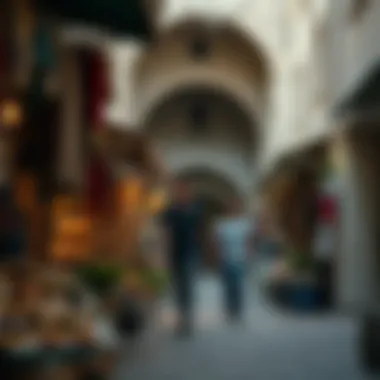
These practices underscore the importance of sustainable living, fostering a sense of pride among local residents. They promote the idea that heritage is not static but rather a fluid part of everyday life. Thriving markets, often vibrant with local produce and handmade goods, act as an atmospheric backdrop to these traditions, allowing both locals and visitors to immerse themselves in the culture.
"Cultural heritage is like a well-worn path through the forest; it reminds us of where we've been and guides our footsteps toward where we're going."
Festivals and Events
Festivals in Rahba are a colorful celebration of tradition, drawing crowds from all over to participate in time-honored customs. Events such as Eid al-Fitr and National Day bring forth an explosion of cultural expression, with music, dance, and communal feasting fostering unity and joy. These gatherings are often marked by vibrant parades showcasing local talent, crafts, and culinary delights.
The Souq Ramadan, for example, is a notable event that not only highlights the significance of the holy month but also serves as a marketplace where traditional foods and crafts are displayed. It is a period when the community comes together, reinforcing the bonds of culture and celebrating shared values.
In addition to religious observances, Rahba hosts various cultural exhibitions that feature art, literature, and music, reflecting the diverse influences that have touched this area. This engagement encourages the exchange of ideas and strengthens intercultural dialogue, making Rahba a dynamic cultural hub.
In sum, the cultural heritage of Rahba is a vibrant blend of traditions and contemporary expressions that resonate with both locals and visitors. Understanding this complex heritage provides invaluable insights into Dubai's identity, paving the way for informed discussions among investors, brokers, expatriates, and researchers alike.
Architectural Characteristics
Understanding the architectural characteristics of Rahba is essential for grasping its significance within Dubai’s diverse cultural mosaic. Rahba serves as an archetype of how traditional designs can coexist with contemporary innovations, reflecting the overarching narrative of Dubai itself. The architectural landscape here not only tells the story of the past but is also pivotal to shaping its future. There’s an invaluable lesson in its structures, which connect the historical threads with modern aspirations.
Historical Structures
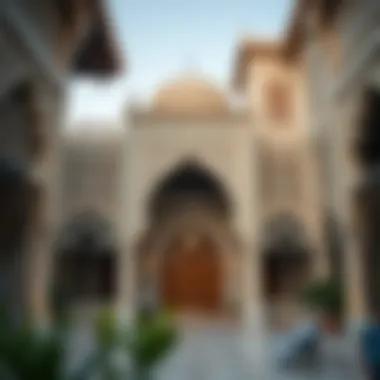
The historical structures in Rahba are a testament to its rich heritage. These buildings, often featuring intricate embellishments and traditional motifs, resonate with the culture and lifestyle of the past. From the mud-brick houses that offer a glimpse into the region's vernacular architecture to the beautifully adorned mosques, each structure has its own tale.
- Cultural Significance: The architectural style reflects the local climate, materials, and ways of life. For instance, the thick walls of mud buildings provide insulation against the scorching heat, showing local wisdom in design.
- Key Examples: Notable historical sites include the Al Rahba Fort, which stands as a sentinel of history. It’s not merely a building but a symbol of defense and a hub for community gatherings in earlier times.
Such structures forge a bond between generations, offering both residents and visitors a tangible connection to the past. They provide a physical narrative that enhances the identity of the community, making local history more accessible.
Modern Developments
As Rahba navigates the waters of urban growth, modern developments increasingly shape its skyline, juxtaposing the old with the new. Contemporary architecture merges innovative designs with the traditional elements that define Rahba. This blend is vital for fostering a sense of continuity, ensuring that the cultural essence is preserved while catering to modern needs.
- Contemporary Housing Solutions: New residential projects have emerged, featuring amenities and facilities designed for the modern resident while respecting the historic context. These buildings may boast sleek lines and glass facades, but they often incorporate cultural touches, such as Arabic calligraphy or traditional geometrical patterns, creating a distinctive fusion.
- Commercial Spaces: The rise of modern shopping and commercial districts serves not only economic purposes but also cultural ones. They become platforms where traditional craftsmanship can be showcased, providing a venue for local artisans.
"The delicate dance between history and modernity in Rahba illustrates the community’s resilience and adaptability."
By navigating this balancing act, Rahba retains its identity in an increasingly globalized world. Investors, expatriates, and buyers interested in the area must recognize that the architectural choices here don’t just pertain to aesthetics; they encapsulate broader themes of cultural preservation and growth.
Community Dynamics in Rahba
Community dynamics play a pivotal role in the understanding of Rahba, as they reflect the intricate fabric of social relationships, cultural exchanges, and communal activities that define the area. At a time when global urbanization flows are spilling into every nook and cranny, Rahba serves as a lens through which we can analyze how individuals and groups navigate change while holding onto their identities. This section elucidates the demographics and community engagement practices that shape Rahba, providing enlightening insights into the area's communal pulse.
Demographics
The demographics of Rahba reveal a rich tapestry of cultures coexisting in a relatively compact space. The neighborhood is not just a home for locals; it is a vibrant mosaic populated by expatriates from various corners of the world. The diversity of its residents brings about a unique blend of traditions, languages, and lifestyles. An interesting aspect is how this mix impacts daily life and social interactions.
- Population Profile: Rahba's population showcases a blend of Emirati nationals and a hefty proportion of expatriates, primarily from South Asia, the Philippines, and East Africa. This variety in background allows for a multicultural viewpoint that enhances social interactions.
- Age Distribution: A significant chunk of Rahba's demographic profile is youth, with many families having children attending local schools. This youthful energy contributes to an atmosphere of hope and vitality, setting the stage for future community development.
- Educational Attainment: A noticeable number of residents contribute to various professional sectors, driven by educational qualifications obtained both locally and abroad. This aspect plays a role in community projects that focus on educational initiatives.
Being aware of these demographic characteristics is essential for investors and community planners alike, as they can inform decisions ranging from housing projects to cultural events.
Community Engagement
Community engagement in Rahba acts as the glue that holds its diverse population together. Various initiatives are undertaken by locals and authorities aiming to foster a sense of belonging and participation among residents. Engagement goes beyond mere attendance at local events; it encapsulates collaboration, communication, and cultural expression.
- Local Initiatives: The community actively partakes in initiatives that focus on sustainability, social welfare, and cultural celebrations. Local parks often serve as venues for events, where residents come together to celebrate traditional festivals such as Eid and National Day featuring local art and crafts.
- Social Media Networks: Online platforms have transformed how community members connect and share information. Groups on platforms like Facebook or Reddit allow for the dissemination of events, local news, and offers for support in various activities. This digital interaction complements physical gatherings and bolsters a sense of unity.
- Volunteer Opportunities: Community service is heartily embraced, with many residents engaging in volunteer work—be it at local charities or environmental projects. Such involvement doesn't just help the local population but also enriches the individual participants, tying social welfare with personal growth.
In summary, the dynamics of community in Rahba offer a kaleidoscope of perspectives and interactions that help shape the area. Understanding and participating in these dynamics can significantly enhance the appeal of Rahba, especially for stakeholders looking to invest in or cultivate meaningful relationships within this historical gem of Dubai.
Real Estate Landscape in Rahba
The real estate landscape in Rahba is not just a financial narrative; it presents a tapestry woven from the threads of culture, history, and modernity. For investors, brokers, expatriates, and buyers, understanding this area offers a chance to tap into a potentially lucrative market underpinned by both cultural significance and contemporary development.
Market Overview
Rahba’s real estate market has been witnessing a transformative era, characterized by a blend of heritage preservation and urban expansion. The strategic positioning within Dubai has made it attractive for various demographic segments.
Here are key aspects to consider regarding the current market:
- Diverse Property Types: Residential options range from traditional villas to contemporary apartments catering to various income brackets.
- Cultural Significance: Properties often reflect the unique architectural styles that echo Dubai's rich heritage, making them appealing not just as homes but also as cultural investments.
- Urban Development: Ongoing urban projects contribute to rising property values, creating opportunities for capital appreciation in the future.
Despite pressures from rapid urbanization, Rahba still retains its allure with its community-centric environment. However, buyers should keep an eye on market fluctuations, as they can offer buying opportunities at unexpected times.
Investment Opportunities
Investing in Rahba doesn't have to be a hit-or-miss endeavor; it can, with the right approach, be a lucrative affair. Here are several promising avenues for potential investors:
- Rental Properties: Given the area's growth, both short-term and long-term rental investments hold considerable promise. The rental market tends to flourish, making it an attractive option for buy-and-hold investors.
- Cultural Tourism Ventures: With the unique cultural context of Rahba, the demand for heritage-based tourism experiences is on the rise. Properties that can host tourists, such as boutique hotels or heritage retreats, may see notable returns.
- Commercial Spaces: Businesses aiming to establish themselves in culturally rich areas may find attractive leasing opportunities in Rahba. Such investments could leverage both tourism and local clientele.
In summary, the real estate landscape of Rahba is rich with opportunity. With its strong community ties and evolving urban narrative, it stands as a compelling choice for those looking to invest in a place where cultural depth meets modern living.
"Understanding the real estate market involves not just seeing numbers, but recognizing the stories and life it fosters within the people of Rahba."
For those interested in exploring further, more on Dubai's real estate frameworks can be found at Dubai Land Department and related urban studies available on University resources.
Challenges Facing Rahba
The challenges that Rahba faces are multifaceted and require careful examination. As a historical and cultural gem, it's crucial to understand how these issues intersect with its identity and future prospects. There’s an urgent need to strike a balance between preservation of its rich heritage and accommodating modern demands. Without a well-rounded approach, the essence of Rahba could be overshadowed or lost entirely.
Urbanization Pressures
Urbanization in Dubai is like a double-edged sword. On one side, it brings growth and economic prosperity, yet on the other, it poses serious threats to places like Rahba. The rapid influx of people and new developments leads to crowded spaces that can undermine the integrity of historical neighborhoods. Important landmarks may be left floundering amid a sea of shiny new skyscrapers.
The pressure to replace older structures with contemporary buildings can obscure Rahba's historic landscape, turning an enchanting tapestry of culture into mundane, concrete spaces. As industry and commerce grow, residents in Rahba face an uphill task to have their voices heard over the roar of development. Moreover, local markets that once thrived in vibrant alleyways may vanish if they cannot adapt to the changing urban fabric.
Furthermore, the unequal focus often placed on high-profile developments overshadows smaller community-driven projects and amenities that hold cultural weight. As pressures intensify, the characteristic features of Rahba's community could inadvertently give way to trends that carry no sentimental value. Ultimately, the valley between the old and the new must be navigated with precision and care.
Cultural Erosion
Cultural erosion is another significant challenge facing Rahba. As outside influences permeate deeper into the local fabric, there’s a risk of losing traditional practices and customs. Globalization has a way of homogenizing cultures, which can create a fascinating blend but also dilute distinctive local identities. Visitors to Rahba might encounter an experience that, instead of being authentically local, feels like a manufactured version of tradition.
In the case of community events, modern adaptations may not resonate with older generations, while youth may see little value in preserving practices that they perceive as outdated. For instance, traditional festivals might shift focus, leaving aside the rich nuances that once defined them. The community could risk losing not only its history but also the stories that are tied to every corner.
Efforts to educate the younger generations, both in schools and through community organizations, are crucial to avoid this downside of cultural evolution. Moreover, shopping areas or venues that were once the heartbeat of Rahba's culture might become mere commercialized hubs if originality is sidelined.
"Cultural ties are like the roots of a tree; once severed, the tree blooms differently, often losing the essence that makes it thrive."
As the pressures from urbanization and cultural shifts continue, it’s vital for all stakeholders—from the government to local residents— to work hand-in-hand in ensuring that these challenges are met with proactive and thoughtful solutions, safeguarding the that make Rahba truly unique.
Preservation Efforts in Rahba
Preservation efforts in Rahba hold immense significance, especially within the broader context of maintaining Dubai’s unique cultural and historical identity. With rapid urbanization pressing against the old ways of life, safeguarding Rahba’s heritage becomes not just essential, but also a moral responsibility. Preserving the authenticity of Rahba ensures that historical narratives do not fade into oblivion, allowing future generations to appreciate the rich tapestry that is woven into the fabric of Dubai’s evolution.
Government Initiatives
The government has recognized the need for preservation, initiating numerous programs aimed at protecting Rahba's heritage. These efforts include funding for restoration projects, strict regulations about construction and development, and the creation of designations for historical sites. For example, the Dubai Culture and Arts Authority plays a pivotal role by providing resources to preserve traditional architecture and support local artisans skilled in historic crafts.
- Restoration Grants: Financial support for projects that aim to restore historical buildings back to their former glory. These grants often prioritize traditional construction methods and materials.
- Urban Planning Regulations: Legal frameworks established to limit modern developments within certain areas of Rahba. This ensures that new projects respect the existing cultural landscape, balancing growth with heritage preservation.
- Heritage Awareness Campaigns: Educating the public about the significance of cultural preservation, initiated through workshops and community events.
The government initiatives are a hand-in-glove approach, aligning the growth objectives of the city with the preservation of its cultural richess. These initiatives serve as a foundation for maintaining cultural integrity, ensuring that Rahba remains a vibrant part of Dubai's story.
Community Involvement
While governmental efforts play a critical role, the heart of preservation lies within the community itself. Local residents are the true stewards of Rahba’s heritage, and their involvement is crucial for effective preservation. Community-led initiatives foster a sense of belonging and ownership, empowering residents to safeguard their unique identity.
- Volunteer Programs: Regular clean-up drives and restoration workshops organized by local groups encourage community members to take an active role in preserving their surroundings.
- Cultural Festivals: Events that celebrate local traditions not only educate younger generations but also promote pride in Rahba’s cultural heritage.
- Partnerships with NGOs: Collaboration with non-profit organizations can enhance preservation efforts, providing resources, expertise, and workshops to further educate the community.
Engagement at the community level helps in nurturing a culture of respect for Rahba’s historical essence, encouraging residents to share stories and traditions with pride. Such united efforts can have a profound impact, ensuring that Rahba’s past is honored and its future safeguarded.
"Preservation of our cultural heritage is not a one-way street. It thrives on collaboration, awareness, and a commitment to celebrating and honoring the past while nurturing the future."


Through these avenues—the combined push from both the government and the residents—Rahba can protect its legacy. It is not merely about preserving buildings or practices but about keeping the spirit and stories of the community alive for generations to come.
Rahba in the Global Context
Rahba holds a significant place not only within the vibrant tapestry of Dubai but also within the global landscape of cultural heritage. As urban environments around the world grow and change, sites like Rahba become benchmarks of historical significance and cultural integrity. The preservation and appreciation of Rahba illustrate how local history can resonate on a global scale, providing context to the worldwide conversation about what constitutes heritage in the modern world.
Comparative Analysis with Other Cultural Sites
When comparing Rahba to other renowned cultural sites globally, one finds a rich interconnection of historical narratives and urban transformation. For instance, similar to the historic districts of Kyoto, Japan, Rahba offers a glimpse into traditional lifestyles. Both places showcase architecture that is emblematic of their respective cultures—like the intricate wooden structures of Kyoto contrasted with Rahba's unique blend of traditional Islamic designs and modern influences.
- Cultural Significance: Just as Kyoto serves as a preserver of Japanese culture, Rahba plays a pivotal role in maintaining the cultural identity of Dubai. This can be seen in local customs, culinary traditions, and daily life that reflect the deep roots of the community.
- Urbanization Impact: While both sites experience pressures from urbanization, the ways in which they address these challenges differ. Kyoto has implemented strict preservation laws, whereas Rahba, while incorporating modernization, still holds onto its community-driven essence.
In juxtaposition with places like Venice, Italy, which is grappling with the effects of mass tourism, Rahba provides a more intimate experience. The cultural atmosphere of Rahba welcomes visitors to engage directly with the community rather than merely observing from a distance. This direct interaction fosters a deeper understanding of the local culture, setting it apart from other heavily commercialized tourist attractions.
Tourism Potential
The appeal of Rahba as a cultural and historical gem enhances its tourism potential, especially amidst the rapid development occurring in Dubai. Unlike typical city sights, Rahba offers a narrative rich in heritage—one that visitors cannot find elsewhere. Here are some elements that bolster its attractiveness as a tourist destination:
- Authentic Experiences: Travelers today seek experiences that go beyond surface-level interactions. Rahba’s traditional markets, known as souks, give visitors a chance to interact with local artisans and partake in cultural practices.
- Scenic Beauty: The blending of modernity and tradition creates a picturesque environment that draws photographers and enthusiasts alike. The contrast between the ancient architecture and the modern skyline is striking.
- Cultural Events: The local festivals celebrated in Rahba offer unique insights into the lifestyle and customs of the Emirati people, making it an enriching visit for cultural enthusiasts.
In summary, Rahba not only reflects Dubai’s dedication to preserving its heritage but also positions itself as an inviting destination for global tourists. As cities grapple with their identities amid globalization, Rahba stands as a testament to the value of maintaining cultural roots while embracing modern development.
"In an age where culture often finds itself overshadowed by commercial interests, Rahba embodies a commitment to heritage that resonates well beyond its borders."
With its strategic position and rich story, there lies immense potential for Rahba to captivate more visitors, turning them into advocates for heritage preservation on a broader scale.
Future Prospects for Rahba
The future of Rahba hinges on a blend of ambition and sustainability, reflecting the city of Dubai's broader aspirations. As the pulse of the city quickens, Rahba stands at a crossroad, balancing its cultural heritage with the need for modernization. This section delves into what lies ahead for Rahba and considers various factors that play a pivotal role in its evolution.
Vision for Development
A comprehensive vision for development in Rahba entails fostering an environment where the past and future coexist harmoniously. Key elements of this vision include:
- Cultural Preservation: It’s no secret that Rahba’s history forms the bedrock of its identity. Efforts must be made to conserve historical structures while integrating contemporary designs that respect the neighborhood’s legacy. This dual-focus can attract tourists and scholars alike.
- Economic Growth: Investors looking towards Rahba should view it as a canvas with vast untapped potential. Opportunities in retail, tourism, and hospitality can elevate the local economy. Developers have the chance to craft spaces that celebrate Rahba's unique traits while providing modern conveniences.
- Sustainable Urban Planning: With Dubai's rapid urbanization, sustainability becomes a key consideration. Future developments should prioritize green spaces, efficient public transport, and eco-friendly buildings. This is not just about aesthetics; it's about creating a livable environment for future generations.
"A balanced approach to development can help preserve Rahba's rich culture while meeting modern demands."
Role in Urban Planning
Rahba's role in urban planning is increasingly central. As urban landscapes constantly morph, understanding Rahba's place in this evolution is crucial. Important considerations are:
- Integration with Surrounding Areas: Rahba needs to align cohesively with the ongoing urban projects in Dubai. The synergy between Rahba and newer developments will be a determining factor in attracting residents and visitors. Connectivity through thoroughfares, public transport, and pedestrian pathways must be thoughtfully planned.
- Community Focus: Urban planning should not just cater to investors but also prioritize the local community. This means listening to resident needs and ensuring there are spaces for gathering, cultural expression, and recreation. Rahba could emerge not just as a tourist attraction but as a vibrant community hub.
- Smart City Concepts: Incorporating smart city concepts within Rahba’s framework can enhance its livability. This could encompass anything from improved waste management systems to tech-driven facilities that inform visitors about cultural sites. The integration of technology should aim to enhance, not overshadow, the area’s historical essence.
When we weave together these threads—development vision, urban planning, and community engagement—the future of Rahba appears promising yet challenging. Cultivating an environment that appeals to both residents and tourists will require careful planning, continuous effort, and an unwavering commitment to honoring the rich heritage that defines Rahba.
The End
The exploration of Rahba’s historical and cultural significance can't be overstated. In today’s fast-paced world, where modernity tends to overshadow tradition, Rahba stands as a reminder of Dubai’s rich heritage and evolving identity. This article encapsulates the many aspects of Rahba, each contributing to a layered narrative that offers depth to any discussion about the region.
Summary of Key Insights
In summary, the key insights from this analysis can be distilled into several core elements:
- Rich Cultural Heritage: Rahba embodies a vibrant tapestry of traditions, marking its importance as a cultural hub in Dubai.
- Architectural Significance: The architectural landscape ranges from historical structures that tell tales of yore to modern developments that showcase the city’s ongoing metamorphosis.
- Community Engagement: Engaging with local communities reveals the intrinsic relationships between residents and their heritage, an element crucial for understanding Rahba's societal fabric.
- Preservation Initiatives: Multiple efforts are underway, focusing on maintaining the delicate balance between urban growth and heritage conservation.
- Global Context: When comparing Rahba to other cultural sites globally, it becomes evident that this locality holds unique attributes that deserve international recognition and attention.
These insights highlight not just how Rahba offers a glimpse into the past but also how it shapes the future visions of urban development while honoring its roots.
Call to Action for Stakeholders
For stakeholders—be they investors, community leaders, or cultural advocates—there is a call to action to embrace Rahba’s unique value. The next steps can include:
- Investing in Cultural Programs: Stakeholders can significantly benefit from promoting cultural programs that celebrate Rahba’s heritage, enhancing community engagement and tourism.
- Collaborating with Local Authorities: Partnership with local governance can help align development projects with preservation efforts, ensuring that Rahba’s architectural and cultural integrity is maintained.
- Raising Awareness: Utilize media platforms and social networks to raise awareness of Rahba’s historical importance, attracting both local and international attention.
- Sustainable Practices: When planning new developments, adopting sustainable practices can prevent cultural erosion while promoting growth, creating a model for other regions.
Investing in the preservation and promotion of Rahba isn’t just a contribution to culture; it’s a strategic move that will yield benefits in tourism, community pride, and global recognition.
"In preserving our heritage, we pave the way for future generations to understand their roots."
Through these efforts, Rahba can maintain its status as a cornerstone of Dubai’s cultural identity, ensuring that its story continues to evolve and be told for years to come.