Discover Dubai: A Guide to Iconic Travel Spots

Intro
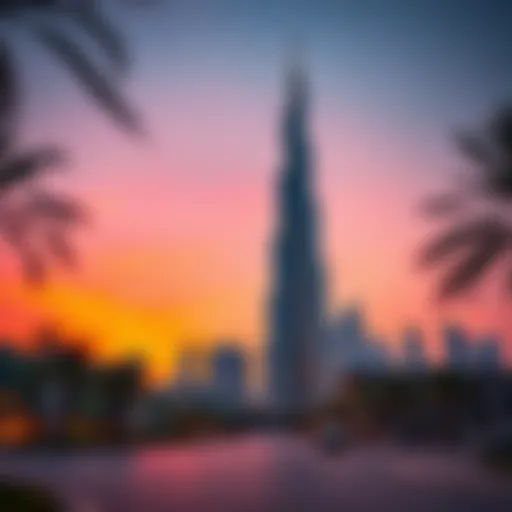
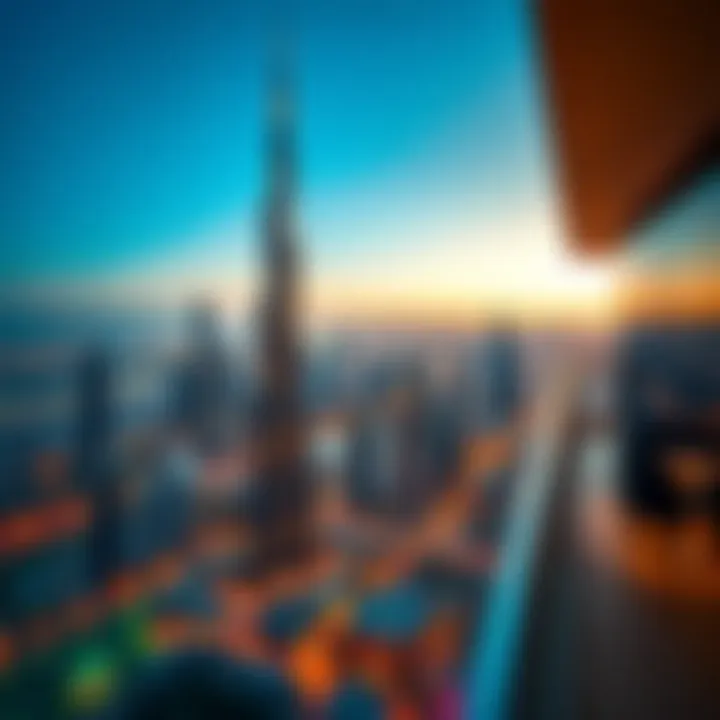
Dubai, a dazzling gem in the desert, is more than just a city; it is an experience that captivates every sense. From the soaring silhouettes of its skyscrapers to the intricate details of its cultural wonders, Dubai offers a wealth of exploration for tourists and investors alike. As the sun sets, casting a golden hue over the Burj Khalifa, one can’t help but be pulled into the diverse opportunities that this city presents.
This article embarks on a journey through the iconic travel destinations in Dubai, showcasing not only the renowned landmarks but also the lesser-known treasures that paint a fuller picture of its vibrant landscape. The intent is to equip investors, brokers, expatriates, buyers, and researchers with insights into the myriad of options available in this global hub for tourism and investment. Stepping beyond the glitz and glamour, this comprehensive guide aims to shed light on market trends and investment opportunities that occur amidst the city's alluring facade.
Market Trends
Current Market Analysis
Dubai’s real estate market is vibrant. Its blend of culture and modernity attracts a plethora of individuals who crave both leisure and luxury. Recent statistics indicate that, according to the Dubai Land Department, there has been a significant uptick in property transactions, sustaining momentum even in a global economy face with uncertainties.
Several areas are witnessing accelerated growth, particularly those that are near strategic developments like the Expo 2020 site and the anticipated Dubai Creek Tower. This has spurred a renewed interest among both local and international buyers, eager to capitalize on the city's expanding horizons.
Future Projections
As developers roll out new residential projects, the growth of integrated communities like Dubai Marina and Downtown Dubai is expected to flourish. Analysts predict that with continued investment in infrastructure and public facilities, areas such as Dubai South and the Mohammed bin Rashid City are set to experience exponential growth.
"Investors should keep a wary eye on shifting trends, staying ahead of the curve is key to capitalizing on Dubai's potential." — Market Analyst
Investment Opportunities
High-Growth Areas
Identifying prime locations can be trickier than finding a needle in a haystack, but some areas have risen above the rest.
- Dubai Marina: A favorite among tourists and residents for its scenic views.
- Jumeirah Village Circle (JVC): A burgeoning community, attracting families and young professionals.
- Dubai Creek Harbour: Envisioned to host the world's largest building and a host of entertainment options.
Each of these neighborhoods offers rich opportunities for rental income and capital appreciation, providing investors with a blend of residential and commercial prospects.
Key Investment Strategies
For those keen on entering the Dubai market, understanding the local dynamics is paramount:
- Diversify Your Portfolio: Don't put all your eggs in one basket; explore various property types from apartment units to villas or commercial spaces.
- Understand the Local Regulations: Be well-acquainted with the legalities surrounding property investments in Dubai to avoid pitfalls.
- Follow Market Trends: Keep a close watch on market fluctuations and economic indicators that could signal potential investment opportunities.
Prolusion to Dubai's Travel Landscape
Dubai, once a humble fishing village, has bloomed into a dazzling global beacon for tourism and investment. The evolution of this city as a travel destination is not just a story of rapid development; it is a tale that interweaves culture, luxury, and innovation. In this section, we will delve into how Dubai's transformation has positioned it as a premier locale, attracting millions of visitors each year and serving as a magnet for property investors and expatriates alike.
Firstly, the flight path of Dubai’s tourism began in earnest in the 1980s. Since then, the city has relentlessly pursued a vision of grandeur, culminating in iconic architectural marvels and world-class infrastructures that have reshaped not only its skyline but also its economic framework.
Overview of Dubai's Evolution as a Travel Destination
The city's transition from a trading post to an international travel epicenter can be traced through significant markers in its history. One might argue that the key turning point was the establishment of Emirates Airline in 1985, propelling Dubai onto the global stage and opening avenues for travel that were previously unattainable for many.
Dubai, known for its audacious ambition, flourished by pivoting its economy from oil to tourism and real estate. The city's landmark projects, such as the Burj Khalifa, were not just built for aesthetic pleasure but served as tangible embodiments of Dubai's tenacity. Furthermore, events like the Dubai Shopping Festival have turned the city into a shopping Mecca, showcasing its ability to adapt and grow.
Consider the fact that, according to recent statistics, tourism contributes around 11% to Dubai's GDP. This reflects not just the allure of the city itself but also its strategic initiatives aimed at promoting tourism. From luxurious resorts to bustling souks, each corner of Dubai tells a story of evolution and opportunity.
The Role of Real Estate in Shaping Tourism
At the heart of Dubai's travel appeal is its robust real estate sector, which has been pivotal in attracting tourists from all over the globe. Luxury accommodations sprouting across the emirate don't just cater to travelers, they serve as pivotal investment opportunities for investors. Areas like Dubai Marina and the Palm Jumeirah are not merely residential hotspots; they represent the blend of lifestyle, luxury, and leisure that tourists come to experience.
Through visionary planning, the government's investment in infrastructure has created world-renowned attractions, seamlessly integrating residential and leisure spaces. The thriving real estate market offers both foreigners and locals options to invest smartly while enjoying the best Dubai has to offer.
Architectural Wonders
Architecture in Dubai is not just structural; it embodies the ambition and vision of a city determined to shine on the global stage. These architectural wonders draw not only tourists but also investors keen on the real estate opportunities thriving adjacent to these landmarks. Understanding the significance of these structures can illuminate Dubai's journey—from a modest desert settlement to a bustling metropolis characterized by a skyline that touches the clouds and showcases opulence.
Burj Khalifa: The Pinnacle of Modern Engineering
Standing tall at a staggering 828 meters, Burj Khalifa is more than just a tall building; it's a statement of what human ingenuity can achieve. Designed by the renowned architectural firm Skidmore, Owings & Merrill, this skyscraper's unique Y-shaped floor plan helps reduce wind forces and provides stunning views of the city and beyond.
Beyond its height, Burj Khalifa offers several unique features:
- Observation Decks: The 148th floor attracts countless visitors, providing a breathtaking panorama of the city and the Arabian Gulf.
- Sustainable Design: Advanced technologies like a condensation collection system contribute to the building’s ability to conserve resources.
- Cultural Symbol: It has become an icon synonymous with Dubai itself, often featured in global media and international events.
Investors see the vicinity around Burj Khalifa as a prime opportunity for luxury apartments and businesses, knowing that proximity to such an iconic structure can significantly boost property values.
"The Burj Khalifa is a reflection of hope and possibilities—a beacon for those who dare to dream big."
Palm Jumeirah: A Testament to Luxury Living
Palm Jumeirah is a remarkable feat of engineering that exemplifies the blend of luxury and innovation in Dubai. Shaped like a palm tree, this man-made island stretches into the Persian Gulf and is home to upscale resorts, lavish villas, and high-end shopping destinations. The vision behind this architecture was to create an exclusive escape while maximizing the seaside property potential.
What makes Palm Jumeirah an architectural marvel?
- Masterful Planning: The island was designed to ensure every villa enjoys spectacular views of the sea, elevating the lifestyle of its residents.
- Luxury Resorts: Hotels such as Atlantis, The Palm, and various upscale apartments attract a high-net-worth clientele, enhancing the luxury market in Dubai.
- Iconic Monorail: A transportation system connects the island to the mainland, further emphasizing its role in the city’s infrastructure.
The allure of Palm Jumeirah continues to attract both foreign buyers and local investors, establishing itself as a top destination in the luxury real estate market.
Burj Al Arab: The Icon of Hospitality
Often referred to as one of the most luxurious hotels in the world, the Burj Al Arab is not just an accommodation; it's an experience imbued with remarkable hospitality and unparalleled luxury. Set on its own island, the hotel is designed to resemble a sail, symbolizing the maritime history of Dubai.
Key aspects that underscore its significance:
- Extravagant Amenities: With its lavish suites, world-class dining options, and exclusive private beach, it redefines luxury hospitality.
- Architectural Design: The unique silhouette and the use of high-quality materials like gold leaf and marble elevate its status, making it a prime subject for photographers and tourists alike.
- Culinary Prestige: Featuring several award-winning restaurants, including Al Muntaha, which offers stunning views from the 27th floor, Burj Al Arab is as much about culinary excellence as it is about comfort.
The hotel has become synonymous with Dubai's lavish lifestyle, making it a key player in both the tourism and real estate sectors, as properties in its vicinity benefit from the prestige it brings.
In summary, Dubai's architectural wonders like the Burj Khalifa, Palm Jumeirah, and Burj Al Arab are not just about aesthetics; they play a crucial role in the city's identity as a luxurious travel destination. Their designs and features capture what Dubai represents—innovation, luxury, and ambition. Investing in real estate sectors surrounding these landmarks offers significant opportunities, aligning with the city's growing reputation as a global hub.
Cultural and Historical Sites
The significance of cultural and historical sites in Dubai goes beyond merely showcasing the city's past; these locations serve as vital links between historical context and the booming tourism industry, enriching the visitor experience while underscoring the importance of heritage in an ever-evolving urban landscape. As investors, brokers, and expatriates look to Dubai, understanding its cultural framework provides insight into the local market and informs expectations for future developments. By weaving the old with the new, Dubai exemplifies how a city can sustain its unique identity while embracing modernity.
Dubai Museum: A Glimpse into the Past
Nestled within the Al Fahidi Fort, the Dubai Museum offers an intimate glimpse of the Emirates' past. The fort itself, built in 1787, is the oldest existing building in Dubai, and walking through its corridors feels like stepping back in time. Here, visitors can encounter exhibits showcasing traditional life, including the ancient fishing and pearl diving industries, which were crucial to Dubai's economy pre-oil era. The museum also features life-size dioramas, artifacts, and multimedia presentations that envelop visitors in authentic local culture.
"The Dubai Museum gives insights not just into the city’s history, but also into the resilience of its people."
Notably, the museum serves as more than just an educational stop. For potential investors, it shines a light on the adaptive spirit of Dubai's citizens, showcasing how they have navigated economic shifts. This adaptability is crucial in understanding current market trends and city infrastructure, which often reflect an intermingling of cultures from various eras, making it attractive to property investors and potential homeowners alike.
Al Fahidi Historic District: Preserving Traditions
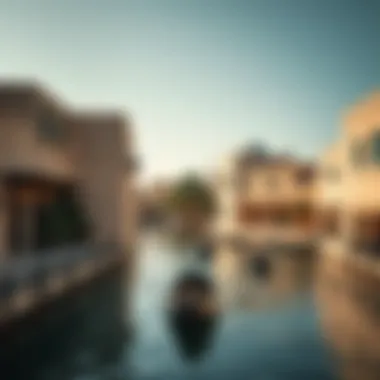
Wandering through the Al Fahidi Historic District, one can witness a preservation of Dubai's cultural roots. This area is renowned for its narrow lanes and wind-tower architecture, reminiscent of the early 20th century when the buildings served both residential and commercial purposes. Here, traditional courtyards and art galleries coexist with cafes serving authentic Emirati cuisine, creating a vibrant mosaic of past and present.
The district's efforts towards restoration and cultural preservation underscore a commitment to keeping traditions alive amid rapid development. This aspect resonates with tourists and investors, particularly those drawn to the rich narratives imbued in historical architecture. By maintaining these sites, Dubai provides a counterbalance to its towering skyscrapers and glitzy hotels, offering a more comprehensive picture of its identity.
Sheikh Saeed Al Maktoum House: A Window into Heritage


Once the residence of Sheikh Saeed Al Maktoum, this house stands as a testament to Dubai's royal history and the lifestyle of the Gulf's former rulers. Built in 1896, the structure showcases traditional Emirati architecture, including intricately carved wooden doors and beautifully adorned ceilings. Now a museum, it houses an impressive collection of photographs, documents, and artifacts that chronicle Dubai's evolution from small fishing village to a bustling metropolis.
Visiting this home offers insights into the ruling family's past and connections to the city's growth, which can be an appealing angle for potential real estate investors and buyers researching the emotional backstory behind properties in Dubai. Additionally, understanding the lineage of the ruling family fosters respect and appreciation for the local culture, vital for anyone looking to settle in the city.
Leisure and Entertainment
When people think of leisure and entertainment in Dubai, they often picture grand shopping malls and extravagant attractions. But beyond these surface-level elements lies a vibrant tapestry that offers a wealth of experiences for both visitors and residents. The idea of leisure is not just about spending time; it’s an integral part of the Dubai experience, influencing both tourism and real estate.
For travelers, leisure and entertainment signify a chance to unwind, explore, and enjoy the luxuries that Dubai has to offer. Activities range from shopping sprees in some of the largest malls on the planet to outdoor adventures in the stunning desert landscapes. This variety adds a unique dimension to Dubai’s appeal, drawing in tourists from all walks of life, making it a bustling hub of activity.
Dubai Mall: More than Shopping
The Dubai Mall is not merely a shopping center; it’s a destination in its own right. With over 1,200 retail stores, it introduces visitors to an enormous array of brands, both local and international. Yet, its allure extends far beyond retail. The mall houses an indoor aquarium, an ice rink, and even a lush indoor rainforest, making it a playground for families and adventurers alike.
Many visitors are drawn to the Dubai Aquarium and Underwater Zoo, where they can marvel at a rich array of marine life. Whether it’s watching sharks glide through water or feeding rays, the aquarium injects excitement into the shopping experience.
Dining options are also plentiful and diverse, catering to every palate and preference. Food enthusiasts can sample local Middle Eastern delicacies or indulge in gourmet dishes from renowned international chefs. The beautifully designed venue encourages gathering, whether you're stopping for a quick bite or celebrating a special occasion.
"Dubai Mall isn’t just about shopping; it’s an experience that engages all senses, leaving lasting memories."
Desert Safari: Adventures Beyond the City
For those seeking a thrill, a desert safari offers an escape from the urban hustle of Dubai. It’s a venture into the vast sandy expanses that surround the city, presenting a sharp contrast to the towering skyscrapers. Here, adrenaline junkies can engage in dune bashing, a high-octane experience driven across undulating sand dunes in powerful 4x4 vehicles.
But the adventure doesn’t end there. Visitors are taken on a journey through mesmerizing landscapes, often culminating in sunset views that are nothing short of breathtaking. Many tours incorporate cultural experiences, allowing guests to enjoy traditional meals, watch belly dancing performances, and even try out shisha.
This adventure provides not only a rush for thrill-seekers but also an opportunity to learn about local customs and the significance of the desert landscape in Emirati culture, bridging the gap between modernity and tradition.
Global Village: A Cultural Extravaganza
Global Village is where cultures collide in a celebratory environment. This seasonal attraction brings together pavilions from various countries where visitors can explore the unique flavors, handicrafts, and arts of different cultures all in one location. Walking through Global Village, a sensory overload awaits, with vibrant colors and enticing aromas at every corner.
Each country's pavilion offers a taste of its culture through performances, cuisine, and shopping. The experience is immersive, with traditional dances, artisanal crafts, and even live music reflecting the essence of each nation.
Global Village also serves as a platform for small businesses and entrepreneurs, fostering an environment where diverse cultures can not only showcase their heritage but also connect and engage with others. Considering the growing trends in cultural tourism, Global Village stands as a monument to globalization within the context of local tradition, crafting a distinctive space exciting for perceived travelers and investors alike.
Unique Neighborhoods and Their Real Estate Impact
Dubai, a city known for its blend of modernism and tradition, is often shaped by the diverse neighborhoods that populate its landscape. These unique areas serve as not just living spaces, but as pivotal points in the tourism and investment matrix. Each neighborhood presents its own character, compelling qualities, and distinct opportunities for both residents and investors.
Whether it's the luxury of coastal living or the buzz of city life, the real estate dynamic in Dubai is largely dictated by these neighborhoods. The importance of understanding these localities can’t be overstated, especially for investors looking to tap into the thriving property market.
Downtown Dubai: A Hub of Activity
Downtown Dubai stands as a symbol of the city’s rapid development and urban sophistication. Marked by its sky-scraping buildings and vibrant atmosphere, this neighborhood is home to the world-renowned Burj Khalifa and the expansive Dubai Mall. These landmarks not only attract tourists but also create a bustling environment for professionals and families alike.
Investors are particularly drawn to this area as a prime spot for commercial and residential development. Living here gives people access to a plethora of leisure activities, dining options, and cultural experiences. The high demand for property in Downtown Dubai keeps prices on a steady incline.
Moreover, the ongoing development projects in this part of the city often spark interest. Investors can look into a mix of residential apartments and luxurious penthouses, knowing that the return on investment tends to be promising. With continued infrastructure enhancement and urban innovation, Downtown Dubai remains an essential consideration for any real estate portfolio.
Dubai Marina: The Epitome of Coastal Living
Dubai Marina is often celebrated for its picturesque waterfront and luxurious lifestyle. As one of the largest man-made marinas in the world, it combines stunning architecture with a dynamic lifestyle. Here, the chattering sea waves and the stunning skyline create a soothing backdrop that attracts both expats and tourists.
From a real estate perspective, Dubai Marina offers an eclectic mix of high-rise apartments, townhouses, and villas—many of which boast breathtaking views of the Arabian Gulf. The local amenities cater to a luxury market, featuring upscale restaurants, chic cafes, and trendy boutiques. Investors can find properties with high rental yields due to the area's popularity among short-term holidaymakers seeking luxury stays.

This neighborhood’s appeal, fueled by proximity to various attractions and lifestyle offerings, makes it an attractive target for developers and buyers. In essence, Dubai Marina encapsulates the aspirational living standard many seek, ensuring it remains an essential destination in the EMS spectrum.
Jumeirah: Luxury and Lifestyle
When considering luxury and lifestyle in Dubai, Jumeirah undoubtedly comes to the forefront. Known for its stunning beaches and opulent villas, Jumeirah caters to those who desire both exclusivity and a serene environment. The area is often synonymous with affluence, attracting a global clientele eager to invest in premium properties that are often located just a stone's throw from the coastline.
The real estate market in Jumeirah is characterized by expansive villas, lavish apartments, and lush green spaces, making it highly sought after for family living. Investors should note the steady increase in property values here, spurred by established communities and high-end amenities. Having world-class hotels, vibrant beach clubs, and gourmet dining enhances its allure, which retains a steady flow of high-net-worth individuals looking to invest in this slice of paradise.
Emerging Travel Trends in Dubai
Dubai is no longer just a hotspot for luxury shopping and towering skyscrapers; it's evolving at a breakneck speed to accommodate new travel trends. Understanding these emerging trends is more than just picking up on the latest buzzwords; it's about grasping the fundamentals that shape the future of tourism in this vibrant city. For investors and stakeholders, these trends represent not only shifts in traveler preferences but also opportunities for strategic investment.
Sustainable Tourism Initiatives
Sustainable tourism is gaining traction globally, and Dubai is no exception. The city is taking significant strides towards becoming a green leader in the Middle East. Key players in the tourism and hospitality sectors are actively implementing practices that respect the environment while enhancing the visitor experience.
For instance, initiatives like the Dubai Sustainable Tourism (DST) program aim to minimize carbon footprints through various methods. These include promoting public transport, reducing waste, and supporting local businesses that adhere to sustainable practices.
Some notable initiatives include:
- Solar Energy Use: Many hotels are integrating solar panels to reduce reliance on traditional energy sources.
- Waste Management Programs: Efforts are being made to recycle and minimize waste in tourist hotspots.
- Water Conservation Efforts: Innovative technologies are being employed to manage water usage efficiently.
"Sustainability isn’t just a trend; it's a necessity that nurtures our future."
Implementing these initiatives not only attracts eco-conscious tourists but also promotes a sense of responsibility among travelers, fostering a culture of awareness about environmental impacts.
The Rise of Eco-Friendly Accommodations
Aligned with the growing emphasis on sustainability, eco-friendly accommodations are popping up throughout Dubai. From boutique hotels making use of organic materials to high-rise towers outfitted with eco-conscious amenities, these lodgings blur the lines between luxury and sustainability.
Some key aspects of these accommodations include:
- Use of Renewable Resources: Energy-efficient systems and fixtures reduce energy consumption while providing luxury services.
- Biodegradable Toiletries: Many establishments are opting for eco-friendly products, enhancing the guest experience without harming the environment.
- Local Sourcing: Restaurants in these hotels often feature menus that showcase locally-sourced ingredients, supporting local farmers and reducing transportation emissions.
Investors should take note: the demand for eco-friendly options isn’t a fleeting trend. It’s a reflection of a more conscious traveler base that prioritizes environmental ethics. This shift not only benefits the ecosystem of the region but proves lucrative as well.
In summary, by embracing sustainable tourism initiatives and investing in eco-friendly accommodations, Dubai is paving the way for a future where travel and environmental health coexist harmoniously. Both travelers and investors stand to gain from this shift as the city consolidates its role as a leader in responsible tourism.
Closure
The landscape of travel in Dubai stands as a testament to the city's remarkable transformation into a premier global destination. This article provides an overview of the significant travel spots, cultural experiences, and the dynamic neighborhoods that contribute to Dubai’s unique appeal. Understanding the future of travel in Dubai is crucial for stakeholders who wish to navigate its evolving tourism landscape effectively.
The Future of Travel in Dubai
Looking ahead, Dubai is poised to redefine travel standards and experiences. Anticipating trends and changes is essential for investors and travelers alike, as the city adopts innovative approaches to attract visitors. The commitment to sustainability and eco-tourism is becoming increasingly evident. Projects like the Sustainable City in Dubai offer insight into how the city is addressing ecological concerns while promoting tourism.
Moreover, technology plays a pivotal role in shaping the future of travel experiences in Dubai. With smart city initiatives underway, travelers can expect more digital solutions for seamless experiences. The rise of augmented reality in tourism could enhance the way visitors interact with cultural sites. Personalized travel services powered by AI will also provide insights tailored to individual preferences, allowing travelers to curate their adventures in Dubai.
As the city continues to diversify its offerings, it’s becoming evident that a visitor's experience will expand beyond traditional attractions. Emerging sectors such as wellness tourism, adventure travel, and culinary tourism are gaining traction. This evolution not only promises unique experiences but is also crucial for investment opportunities in related real estate sectors. The expansion of hospitality options catering to niche markets indicates a growing versatility in what Dubai has to offer.
Investment Prospects and Opportunities
For those eyeing investment in Dubai’s real estate market, the outlook remains positive. The Expo 2020 spirit lingers, creating a ripple effect in infrastructure development and tourism-related ventures. Areas like Downtown Dubai and the Dubai Marina are experiencing a property boom thanks to their popularity among tourists and expatriates.
The government’s initiatives to attract foreign investments further bolster this favorable landscape. Incentives such as long-term visas for investors signal a welcoming environment for serious buyers looking to tap into the real estate potential. Luxury developments and upcoming residential projects cater to high-net-worth individuals, affirming Dubai's positioning as a luxury hotspot.
Investors should also keep an eye on upcoming trends like co-living spaces and serviced apartments, as more visitors seek flexible accommodation. Such options provide lucrative prospects, especially with the growing influx of digital nomads and expatriates.
"Dubai is not just a destination; it’s an evolving story of lush opportunities and experiences awaiting discovery."
In summary, understanding the intricate relationship between tourism and real estate will be valuable for both seasoned investors and new entrants to the market. From cultural experiences to cutting-edge technology, the potential to profit while enjoying the essence of Dubai remains an enticing proposition.
By keeping these insights in mind, stakeholders can make informed decisions about participating in Dubai’s vibrant travel sector, ensuring both cultural enrichment and financial gain.